Everything About Aluminum Foundry: Key Makes Use Of and Its Effect On Product Growth
Aluminum foundries are important in modern manufacturing, specifically in sectors like automobile and aerospace. They use innovative techniques to develop lightweight, resilient parts that improve performance. The versatility of aluminum likewise aligns with sustainability efforts, making it a recommended material. The ongoing advancements in casting methods and their ramifications for item advancement raising important inquiries. What future advancements might improve the landscape of aluminum foundries and their applications?
Introduction of Aluminum Foundries
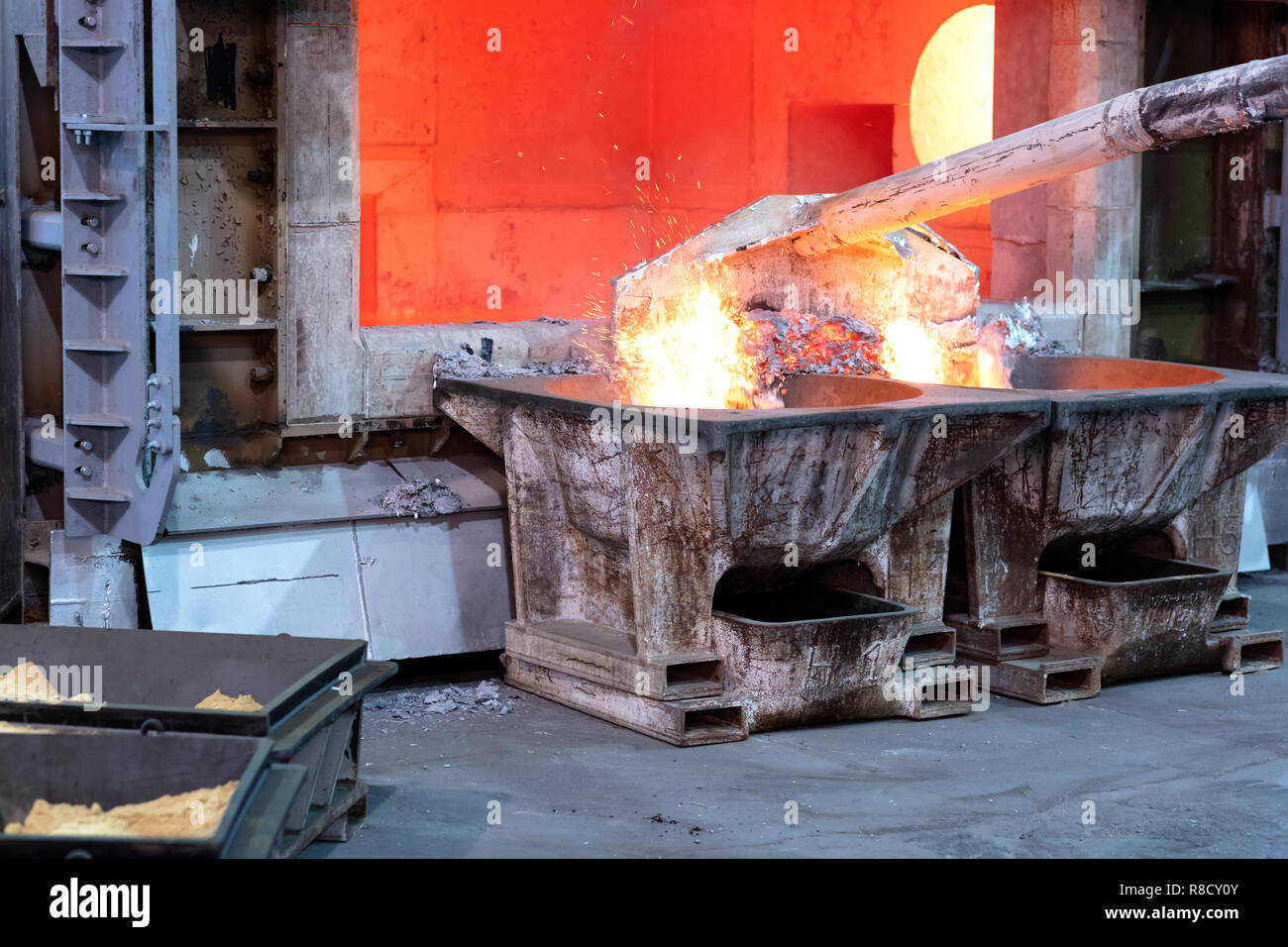
Aluminum foundries function as important facilities in the metalworking sector, concentrating on the casting of aluminum and its alloys. These centers utilize numerous techniques, consisting of sand casting, pass away casting, and financial investment casting, to change raw aluminum right into functional kinds. Each casting strategy provides distinct advantages, dealing with various job needs ranging from tiny components to huge structural components.
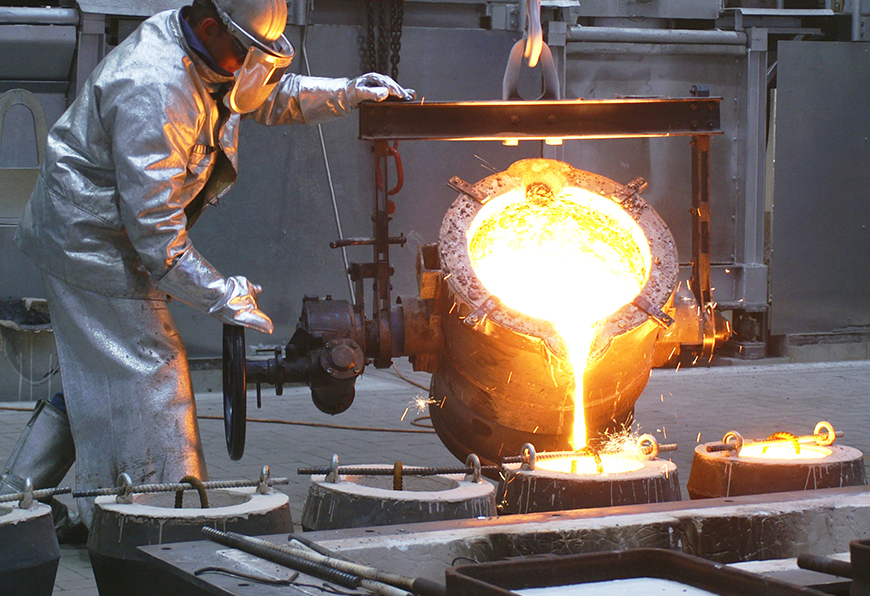
The foundries run with a thorough procedure that begins with melting aluminum, followed by putting the molten steel right into mold and mildews. After cooling down, the castings go through finishing procedures, which may involve machining and surface treatment to meet precise requirements.
Quality control is vital, ensuring that the last products fulfill market criteria and customer assumptions. On top of that, aluminum foundries frequently stress sustainability by recycling scrap aluminum, consequently minimizing waste and conserving sources. This dedication to reliable manufacturing and environmental responsibility placements aluminum foundries as necessary factors to the production landscape.
Trick Applications of Aluminum Castings
Aluminum castings serve vital duties in numerous markets, especially in auto and aerospace sectors. In the automotive market, they add to light-weight structures and efficient performance. Similarly, aerospace part production relies upon aluminum castings for their strength and deterioration resistance, vital for high-performance applications.
Automotive Market Applications
In the automobile sector, aluminum castings play a crucial function in boosting vehicle performance and effectiveness. These castings are extensively utilized for components such as engine blocks, transmission real estates, and suspension parts. Their lightweight nature adds to lowered lorry weight, which in turn boosts gas economic climate and handling. Furthermore, aluminum's exceptional thermal conductivity enables effective warm dissipation, vital for high-performance engines. The deterioration resistance of aluminum likewise extends the lifespan of auto components, minimizing maintenance prices. In addition, improvements in casting innovations enable the production of complex shapes, optimizing the design and performance of components. In general, aluminum castings are essential to contemporary automobile design, supporting innovation and sustainability in vehicle design.
Aerospace Element Manufacturing
The aerospace market increasingly counts on aluminum castings for a series of crucial parts due to their beneficial properties. Light-weight yet solid, aluminum castings boost gas effectiveness and general efficiency in aircraft style. Elements such as engine installs, structural structures, and touchdown gear are often generated utilizing aluminum casting strategies, enabling manufacturers to attain intricate geometries while preserving architectural integrity. The high resistance to corrosion and thermal residential properties of aluminum likewise add to the long life and dependability of aerospace components. Additionally, improvements in casting innovations, such as accuracy casting and 3D printing, have actually increased the capabilities of aluminum in this sector. Ultimately, aluminum castings play a crucial duty in conference rigorous safety criteria and efficiency requirements in contemporary aerospace applications.
Benefits of Using Aluminum in Production
While various products are offered for production, aluminum attracts attention because of its unique mix of properties that boost effectiveness and efficiency. One substantial advantage of aluminum is its lightweight nature, which adds to lowered energy usage and boosted fuel efficiency in numerous applications. Additionally, aluminum exhibits outstanding deterioration resistance, extending the lifespan of products and minimizing upkeep prices. Its high thermal and electrical conductivity makes it appropriate for warmth exchangers and electrical elements, while its malleability permits versatile layouts and detailed forms.
In addition, aluminum is recyclable, promoting sustainability in manufacturing procedures. This reusability not just conserves resources but additionally reduces the carbon impact related to manufacturing. The adaptability of aluminum to different alloys even more improves its utility in varied sectors, from automobile to customer electronics. Collectively, these qualities make aluminum a perfect selection for producers looking for to balance efficiency, cost-effectiveness, and environmental obligation.
Technologies in Casting Strategies
Current advancements in casting methods have actually greatly transformed the aluminum factory sector. The combination of 3D printing technology has made it possible for much more complex layouts, while improved alloy formulations improve performance and toughness. These innovations are driving effectiveness and increasing the applications of aluminum in numerous industries.
3D Printing Assimilation
Boosted Alloy Solutions
Advancements in aluminum shop technology have brought about the growth of improved alloy formulas that boost casting performance and material residential or commercial properties. These innovative formulas commonly include components such as silicon, magnesium, and copper, which enhance strength, ductility, and deterioration resistance. By fine-tuning the make-ups, manufacturers can attain certain characteristics tailored to varied applications, from auto to aerospace industries. Furthermore, these improved alloys promote far better fluidity throughout the casting process, reducing flaws and enhancing surface coating. As an outcome, the efficiency of manufacturing is substantially boosted while maintaining rigid high quality standards. This evolution in alloy advancement not only enhances production but also supports the production of lighter, stronger parts, ultimately progressing item advancement and performance.
Influence on Aerospace and Automotive Industries
The significant impact of aluminum foundries on the aerospace and auto markets can not be overstated. Aluminum alloys, recognized for their lightweight and high stamina, have actually revolutionized the design and production processes in both industries. In aerospace, the decrease in weight directly associates to fuel efficiency, permitting longer trips and lower emissions. Parts such as airplane structures, wings, and engine parts benefit from aluminum's superb tiredness resistance and deterioration resistance.
In the auto market, aluminum foundries add to the production of lighter cars, enhancing performance and gas economy while meeting rigid ecological regulations. Making use of aluminum in engine blocks, body panels, and wheels has boosted considerably, driven by customer demand for much more efficient cars. Furthermore, advancements in casting methods have improved the precision and functionality of components, allowing producers to create even more integrated and complex designs, consequently promoting improvements in both industries.
Sustainability Practices in Aluminum Foundries
Aluminum foundries are significantly accepting sustainability techniques to reduce their ecological impact while meeting the expanding click for more needs of the aerospace and automotive sectors. These practices consist of the implementation of energy-efficient technologies, such as electrical melting heaters and progressed warm recuperation systems, which substantially reduced energy intake (Aluminum Foundry). Additionally, several foundries are blog prioritizing using recycled aluminum, which needs much less energy and leads to reduced greenhouse gas exhausts contrasted to main aluminum manufacturing
Water preservation efforts are likewise obtaining grip, with foundries using closed-loop systems to minimize water use and prevent contamination. Furthermore, waste management approaches, consisting of recycling scrap and minimizing harmful waste, contribute to an extra lasting procedure. By adopting these practices, aluminum foundries not only improve their competition yet additionally align with worldwide sustainability goals, inevitably supporting a circular economic climate and cultivating development in environmentally pleasant manufacturing processes.
Future Patterns in Aluminum Casting Modern Technology
As the demand for light-weight and durable products continues to climb, developments in casting technology are poised to improve the aluminum market. Advanced methods such as 3D printing and automated casting processes are obtaining traction, permitting extra intricate geometries and minimized material waste. The combination of expert system and machine learning is likewise enhancing quality assurance and procedure optimization, reducing problems and boosting performance.
The development of new aluminum alloys is increasing the application array of cast products, making them suitable for sectors from automotive to aerospace. Boosted recycling approaches are expected to additionally minimize ecological impacts, straightening with global sustainability objectives.
Additionally, using wise sensing units in casting procedures is prepared for to allow real-time monitoring, making sure better precision and consistency. These fads indicate a transformative age in aluminum casting modern technology, making it possible for makers to satisfy evolving market needs while prioritizing sustainability and innovation.
Regularly Asked Concerns
How Is Aluminum Recycled After Use in Products?
Aluminum recycling includes gathering, sorting, and melting utilized aluminum items (Aluminum Foundry). The liquified steel is after that cast right into brand-new forms, lowering power consumption and maintaining natural resources, making it an efficient and lasting procedure for aluminum recuperation
What Safety And Security Measures Are Carried Out in Aluminum Foundries?
Precaution in aluminum foundries consist of proper air flow systems, individual protective equipment, routine security training, devices upkeep methods, and emergency situation feedback strategies, all targeted at reducing threats linked with high temperature levels and harmful materials throughout manufacturing.
How Do Aluminum Foundries Make Sure High Quality Control?
Aluminum foundries implement rigorous quality assurance procedures, including product inspections, temperature monitoring, and dimensional checks. These steps ensure item uniformity, reduce defects, and abide by industry criteria, eventually improving consumer contentment and functional effectiveness.
What Are Common Obstacles Dealt With by Aluminum Foundries?
Aluminum foundries generally face difficulties such as preserving constant top quality, handling manufacturing expenses, making sure prompt delivery, dealing with tools upkeep, and adapting to progressing sector regulations. These elements can substantially influence overall operational effectiveness and productivity.
Just How Does Aluminum Spreading Affect Product Weight?
Aluminum casting significantly lowers item weight because of aluminum's low thickness compared to other metals - Aluminum Foundry. This light-weight characteristic boosts layout flexibility, improves fuel efficiency in transportation applications, and offers advantages in different markets calling for weight-sensitive components